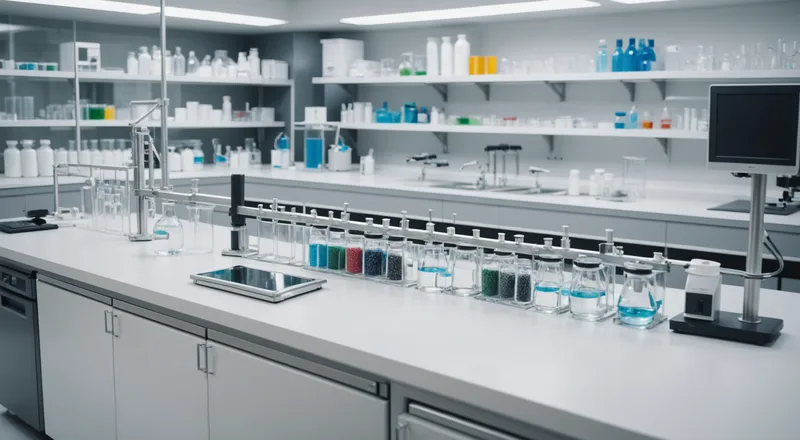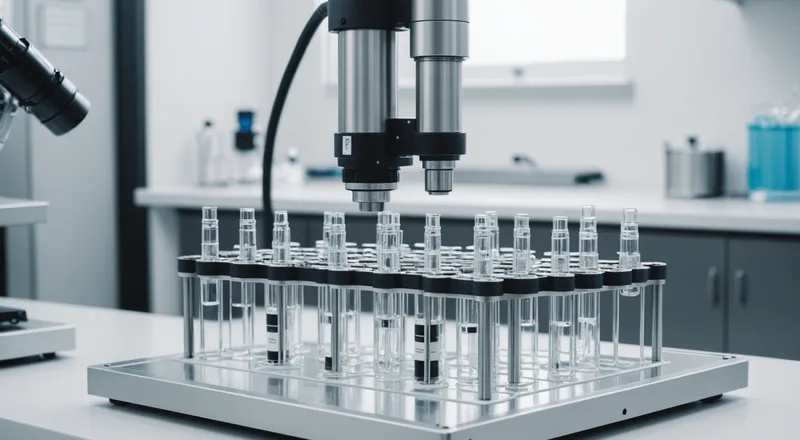

How We Design an Inorganic Screening Pipeline: Three Decisions That Matter
The screening pipeline is not just a ranking function. Candidate generation strategy, filter ordering, and tie-breaking rules all shape what the synthesizer sees.
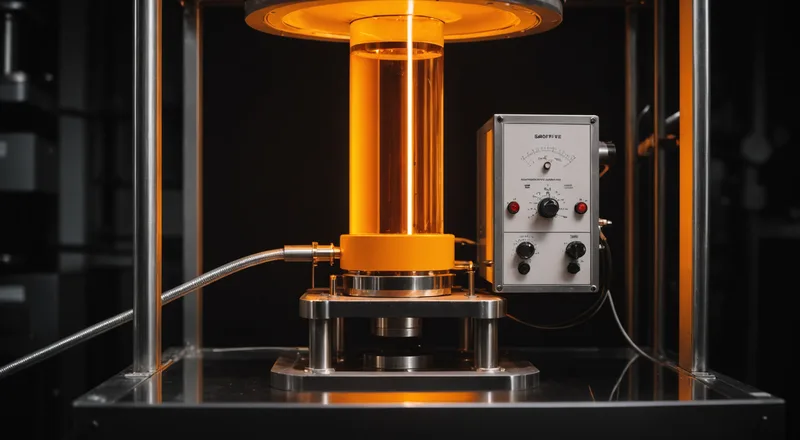

Synthesis runs fail. Temperature overshoot, precursor contamination, phase separation: closed-loop workflows need explicit failure routing, not silent retries.
The simulation-to-synthesis handoff is where candidate discovery stalls for most cathode R&D teams. Not the model, not the chemistry: the handoff.
Representing a crystal as a graph (atoms as nodes, bonds as edges) lets a GNN learn local chemical environments. Here is how the message-passing architecture works in practice.
We closed our angel round in late 2025. Since then: MLIP model iteration, synthesis API integration work, and the start of our early-access program.
Screening 10,000 structures sounds impressive. Whether it is useful depends entirely on how you define the candidate space and what properties you are filtering against.
Most materials R&D teams run open-loop discovery: compute, hand off to lab, wait weeks. Closing that loop changes how many iterations you can run in a quarter.
MLIPs interpolate from a DFT training set to predict energy and forces on new structures. Understanding where that interpolation fails is critical before you use them in a screening loop.
Current lab automation handles precursor weighing, mixing, and furnace scheduling reliably. Characterization interpretation and parameter feedback loops are still largely manual.
Public DFT datasets cover broad chemistry but lack industrial synthesis conditions. Bridging that gap requires careful calibration, not just more data.
We have been building toward one goal: replacing the email handoff between simulation and lab. AstraIQ screens inorganic candidates with learned potentials and dispatches survivors to an automated synthesis run.
We publish implementation notes as we build. If your team is working on inorganic screening, we would like to hear from you.
Request Early Access