Built to close the loop between simulation and synthesis
AstraIQ was founded in San Diego in 2023 by a team that came out of computational materials science and lab automation. We started with one observation: the biggest bottleneck in inorganic discovery is the handoff from compute to bench, not the compute itself.
Why we started
The pattern repeats across inorganic R&D groups: weeks of compute time screening compositions with DFT, then a shortlist handed to a synthesis team by email. The synthesis team interprets the list, designs protocols by hand, and runs experiments over another several weeks. Results come back as XRD files sitting in a shared drive folder, waiting for someone to analyze them and decide what to run next.
Nothing in that workflow is bad science. The problem is structure: the two phases run on disconnected timescales, with a manual translation step between them. Each iteration takes months. Most projects complete two or three iterations before time and budget run out.
We founded AstraIQ in 2023 to remove the translation step. The platform reads the output of the screening model and writes directly to the synthesis hardware. Characterization data flows back and updates the model. The loop closes, and iteration speed is no longer limited by the pace of email.
AstraIQ is angel-backed. We work with a small number of pilot partners to validate integration paths and refine the system on real material classes.
Team
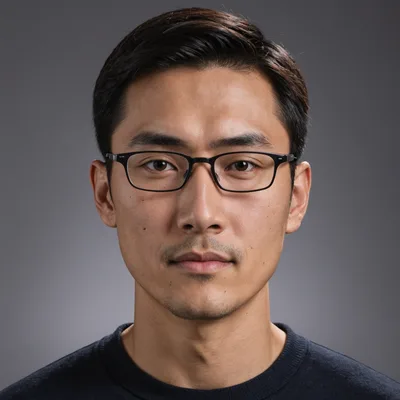
Computational materials scientist. Spent years building high-throughput DFT workflows for battery electrode discovery and designing the informatics architecture that connects simulation output to lab scheduling. Founded AstraIQ to productize that loop.

Machine learning researcher focused on equivariant graph neural network architectures for atomic systems. Years spent developing MLIP models and DFT benchmark pipelines for inorganic crystal property prediction. Leads model development and synthesis scheduling systems at AstraIQ.
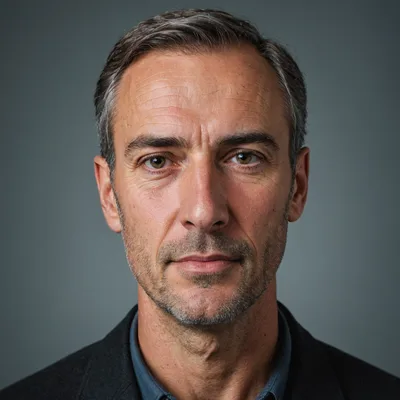
Solid-state chemist and lab automation specialist. Background in commissioning and operating robotic synthesis platforms for high-temperature inorganic processing, including XRD characterization workflows and solid-state reaction scheduling. Responsible for the synthesis API layer and hardware integration at AstraIQ.
Where we are
AstraIQ is angel-backed and based at 10275 Science Center Drive in San Diego's Torrey Pines research corridor. We are in active development, working with a small number of pilot partners to refine the platform across battery, ceramic, and alloy material classes. If your team is working in one of those domains, we are interested in talking.
Work with us
We are looking for R&D teams working on inorganic screening who want to close the synthesis loop, and for scientists who want to work on that problem with us.
Get in touch