Inorganic discovery that ships to the furnace
AstraIQ is designed around three material domains where closed-loop discovery gives the largest throughput advantage over conventional DFT-to-lab workflows. If your material is inorganic and crystalline but falls outside these families, talk to us.
Battery cathode materials
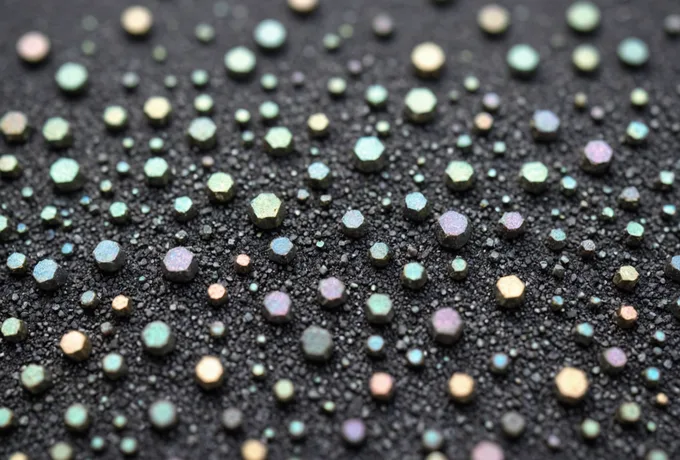
Next-generation cathodes require simultaneous optimization of energy density, cycle stability, and synthesis feasibility. AstraIQ screens layered oxide and polyanion composition families against multiple property targets and queues the top candidates for solid-state synthesis.
- Li-Mn-rich and Ni-rich layered oxides
- Phosphate and sulfate polyanion frameworks
- Formation energy and voltage prediction from MLIP relaxation
- Integration with commercial cathode powder synthesis hardware
Oxide ceramics and electrolytes
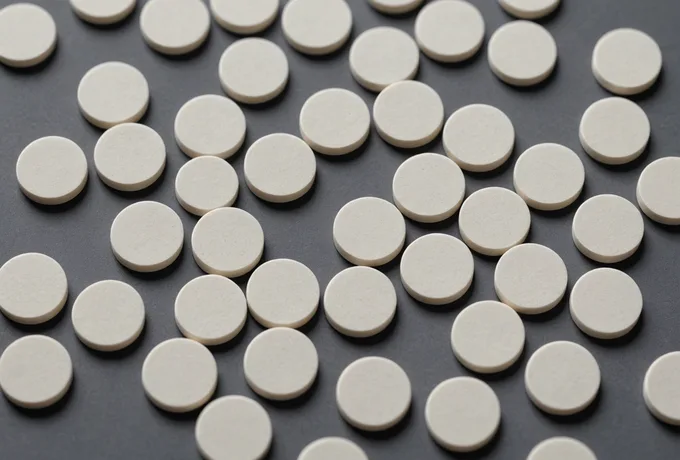
Solid electrolytes and functional ceramics demand tight control over ionic conductivity, thermal expansion, and phase purity. AstraIQ's screening identifies stable compositions in the garnet, NASICON, and perovskite structure families and maps them to achievable synthesis conditions.
- Garnet and NASICON solid electrolyte families
- Ionic conductivity and activation energy predictions
- Phase stability mapping across sintering conditions
- Co-screening of dopant concentration and temperature range
High-entropy alloys and intermetallics
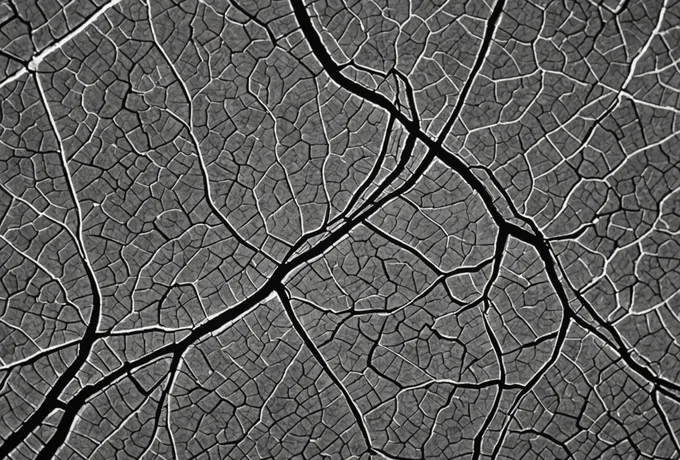
Multi-principal-element alloys occupy a composition space too large for conventional experimental mapping. AstraIQ applies MLIP screening to identify single-phase regions and predict mechanical property targets, then dispatches arc-melting protocols to connected synthesis hardware.
- 3-to-6 element principal component systems
- Phase stability and mixing enthalpy from MLIP relaxation
- Hardness and elastic modulus proxy predictions
- Arc-melting and SPS protocol generation
Working in one of these domains?
Early access is open to R&D teams with existing computational or synthesis infrastructure. Tell us about your current workflow.
Request Early Access